

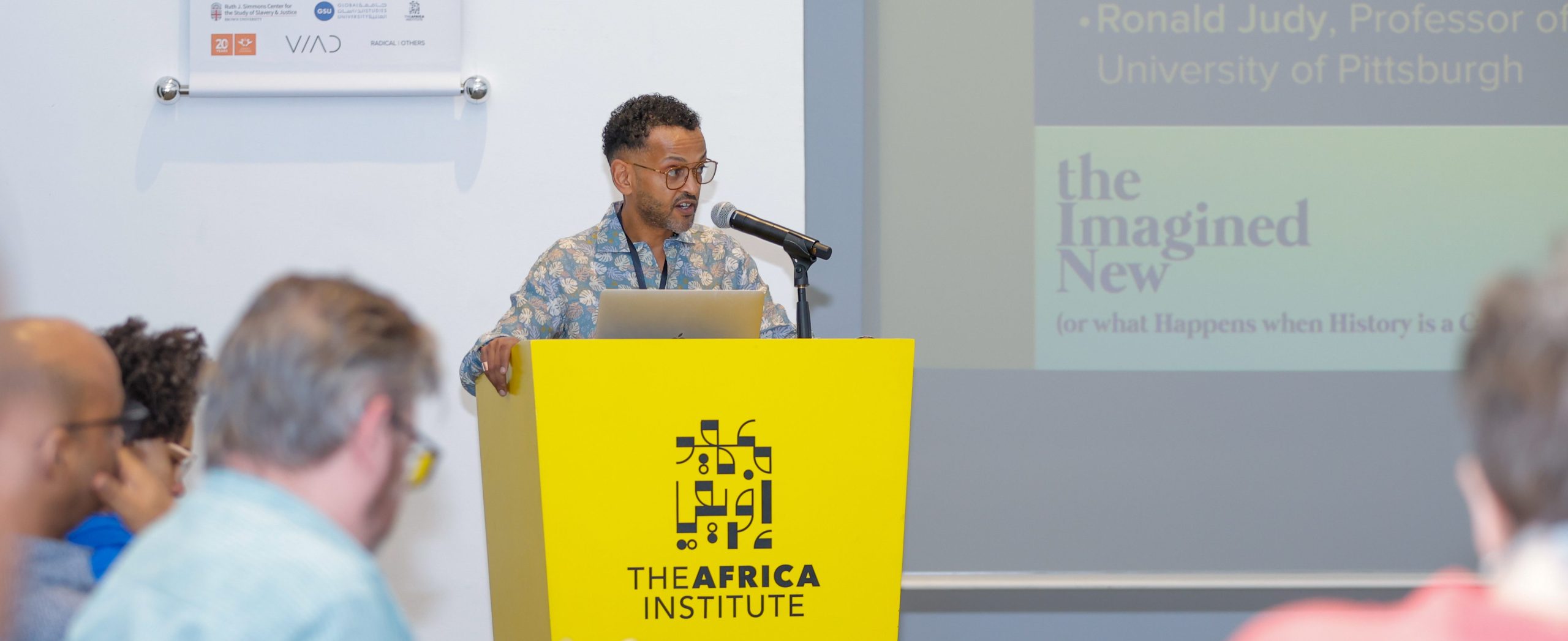
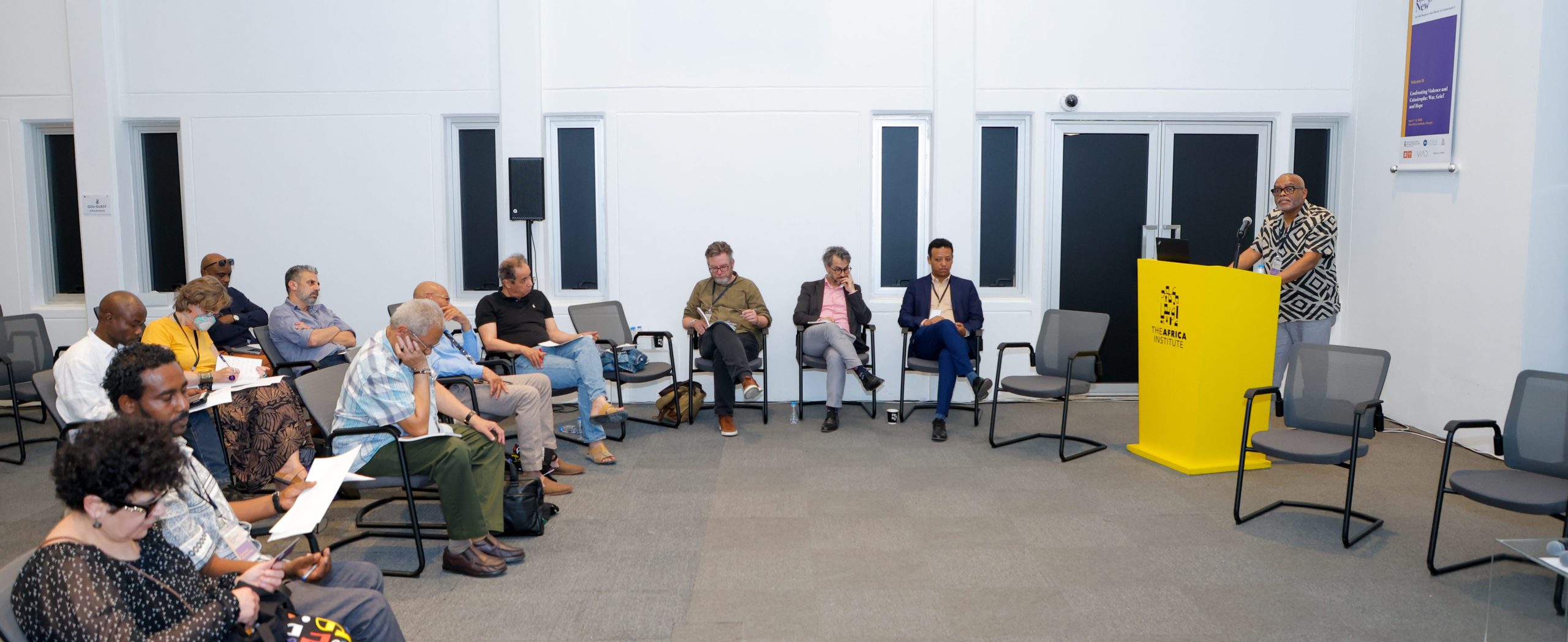
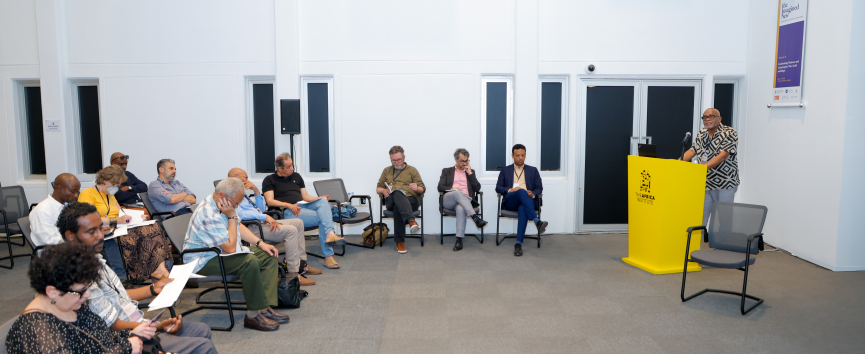
The Africa Institute, Global Studies University hosted the third iteration of The Imagined New (or, What Happens When History is a Catastrophe?) – Volume III, with the theme Confronting Violence and Catastrophe: War, Grief and Hope, from April 7 to 9, 2025. The event, held in collaboration with the Visual Identities in Art and Design Research Centre (VIAD) and the Ruth J. Simmons Centre for the Study of Slavery and Justice, Brown University, engaged artists, scholars, and students in immersive provocations, conversations, lectures, and performances. Through these dialogues, participants explored the themes of violence and catastrophe, with a particular focus on war, grief, and hope, seeking possibilities for alternative futures.
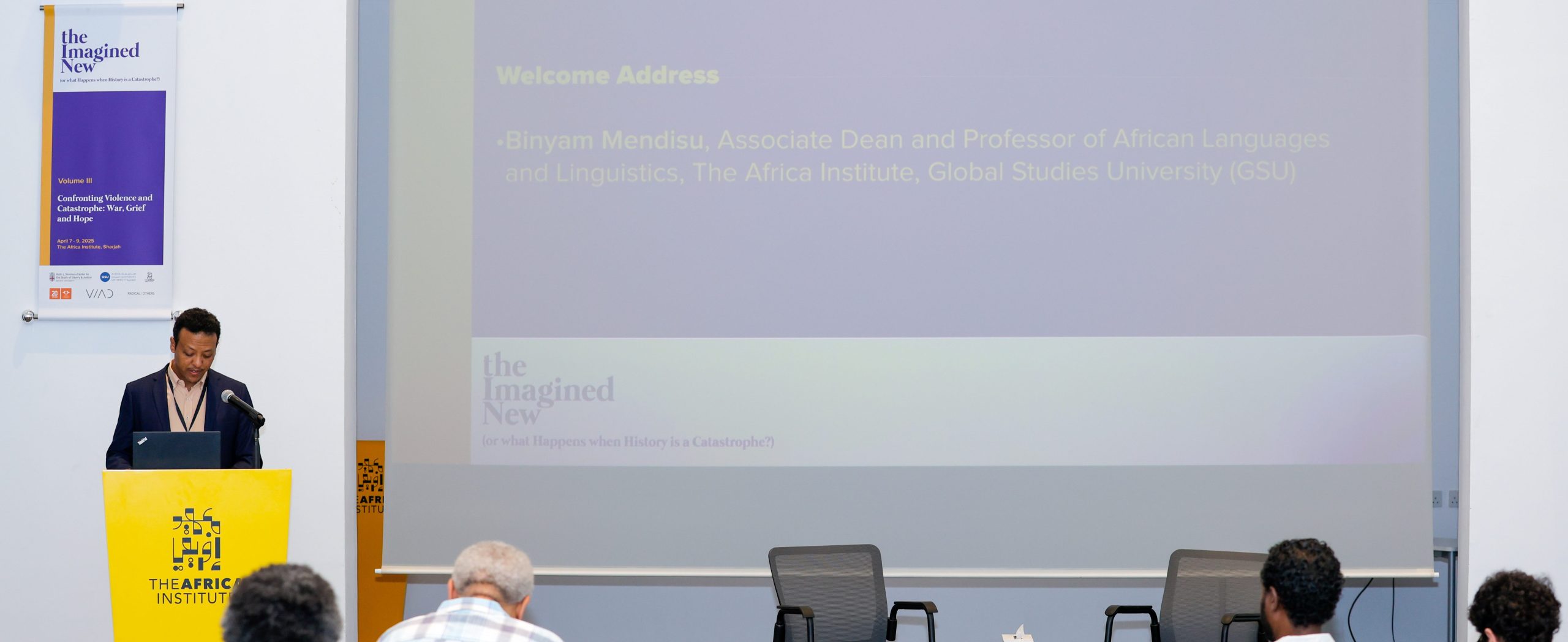
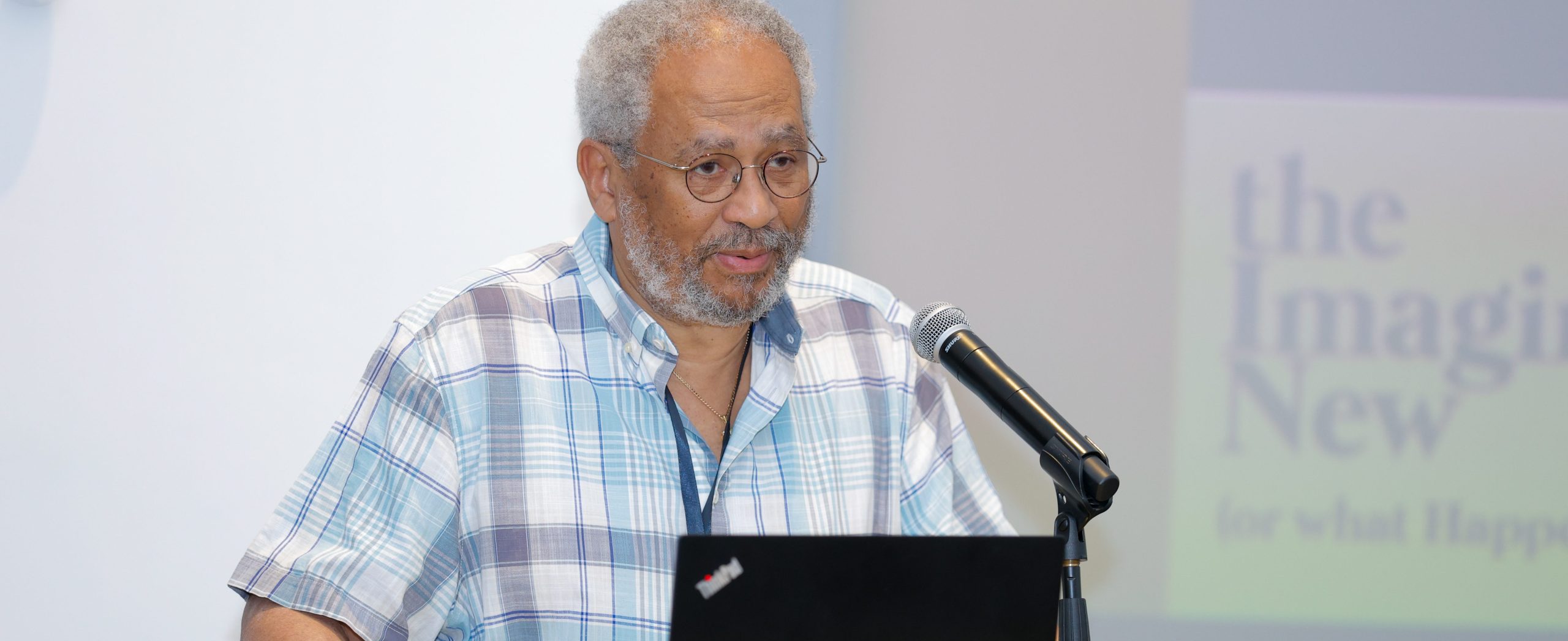
The program opened with welcome remarks by Binyam Sisay Mendisu, Associate Dean at The Africa Institute and Professor of African Languages and Linguistics. That evening, the opening address was delivered by Professor Salah Hassan, Chancellor of Global Studies University and Dean of The Africa Institute, as part of the lecture program featuring Professor Anthony Bogues. His lecture, titled The Present Conjuncture: Illiberalism, War and Violence – A Perspective, was held at The Africa Institute auditorium. Drawing from African and African Diaspora critical traditions, Professor Bogues examined the current political and social landscape as a new conjuncture—one shaped by the transformation of violence into power and the creation of new “death-worlds.” His lecture posed pressing questions on what it means to be human today and considered how alternative forms of life might be imagined.
Professor Bogues is a Professor at Large at The Africa Institute and the Asa Messer Professor of Humanities and Africana Studies at Brown University, where he also serves as Director of the Ruth J. Simmons Center for the Study of Slavery and Justice. His academic work spans political theory, intellectual and cultural history, and contemporary critical thought.
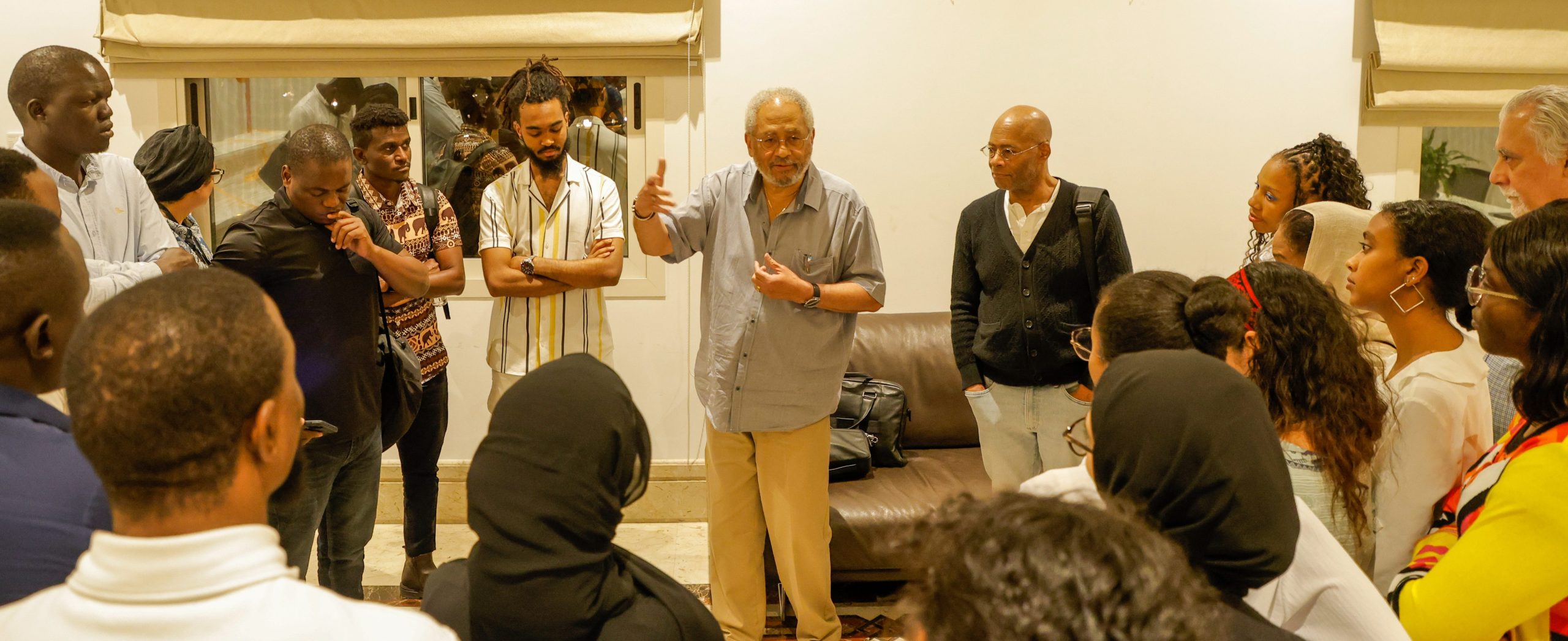
MA students in Global African Studies at The Africa Institute attended the lecture and engaged briefly with Professor Bogues and Professor Leora Farber, Director of the Visual Identities in Art and Design Research Centre (VIAD) at the University of Johannesburg, and other visiting African and African Diaspora scholars who were part of the workshop. These interactions provided the students with valuable networking opportunities, further enhancing their academic and professional development.
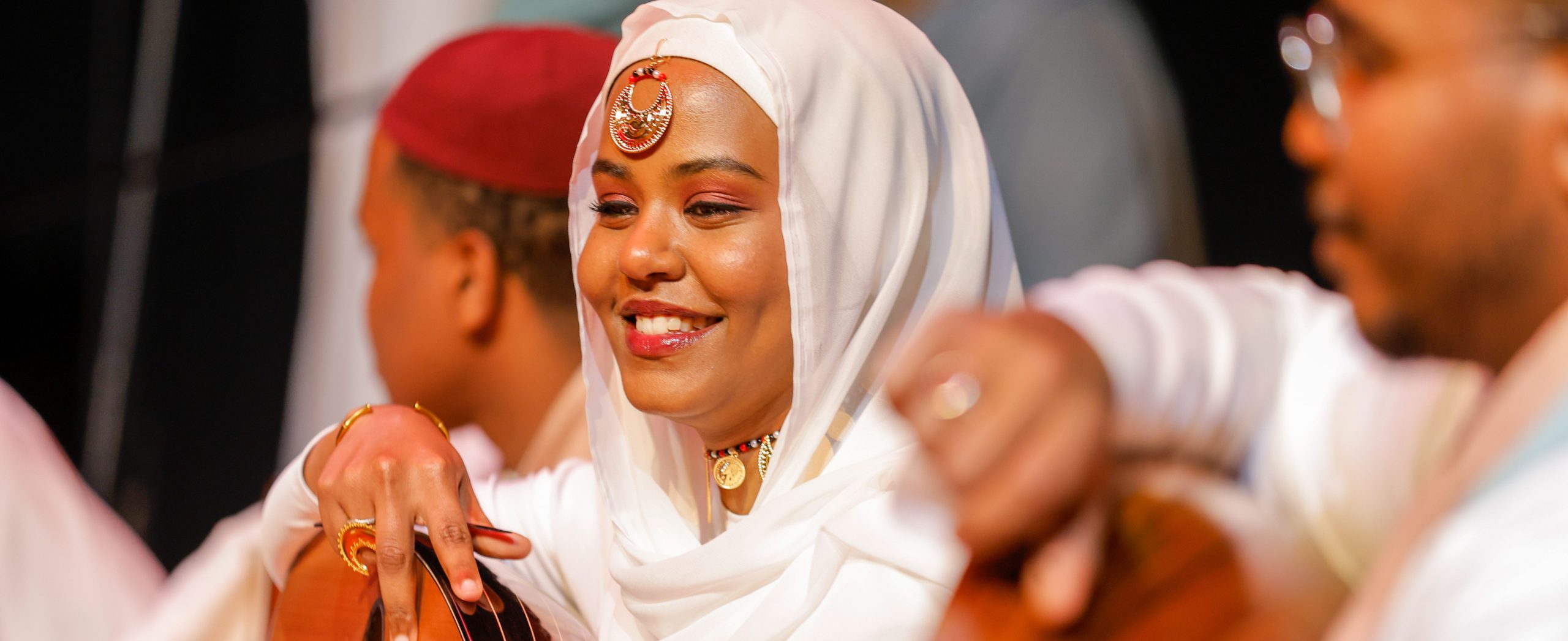
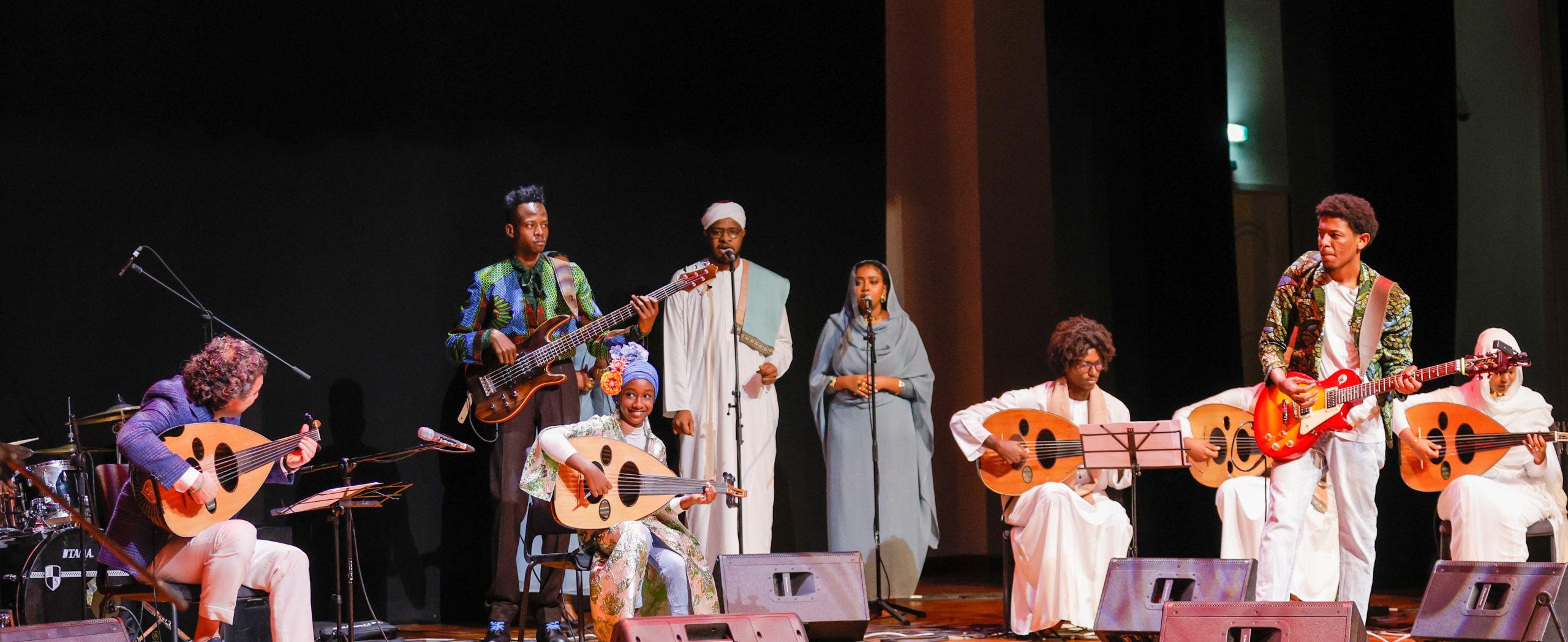
The final evening of the program, held on April 9 at The Africa Hall, featured a conversation with some members of the orchestra and a stirring performance by the AlMultaqa Afro-Arab Harmonic Orchestra. The performance explored the intersection of heritage and contemporary expression, using music as a space for convergence. It highlighted how music can engage deeply with themes of violence, grief, and hope, providing an emotional and intellectual reflection on these critical issues.
Surafel Wondimu Abebe, Assistant Professor of Performance Studies and Theory at The Africa Institute, has been involved with The Imagined New since its inception in 2019. Reflecting on the experience, Professor Abebe shared, “The Imagined New – Volume III wrapped an unforgettable 3-day workshop—a space of radical generosity and critical imagination. Artists, scholars, and thinkers came together to hold intense, moving conversations around war, grief, and hope—thinking through their deep historical entanglements without losing sight of specific, lived experiences from across the globe. We pushed beyond the boundaries of panels and lectures into truly dialogic thinking. We were also moved by the stirring performance of the AlMultaqa Harmonic Orchestra, who brought music into the conversation—not as a prop, but as part of the deep inquiry into violence and the politics of hope. This is only the beginning. Volume III will culminate in a new publication—an offering to ongoing struggles for justice, memory, and radical futures.”
The Imagined New is a three-part project jointly developed by the Visual Identities in Art and Design Research Centre at the University of Johannesburg and the Ruth J. Simmons Center for the Study of Slavery and Justice at Brown University, with a network of global partners. Volume III is presented in collaboration with The Africa Institute, Global Studies University.
The Africa Institute, Global Studies University hosted the third iteration of The Imagined New (or, What Happens When History is a Catastrophe?) – Volume III, with the theme Confronting Violence and Catastrophe: War, Grief and Hope, from April 7 to 9, 2025. The event, held in collaboration with the Visual Identities in Art and Design Research Centre (VIAD) and the Ruth J. Simmons Centre for the Study of Slavery and Justice, Brown University, engaged artists, scholars, and students in immersive provocations, conversations, lectures, and performances. Through these dialogues, participants explored the themes of violence and catastrophe, with a particular focus on war, grief, and hope, seeking possibilities for alternative futures.
The Africa Institute, Global Studies University hosted the third iteration of The Imagined New (or, What Happens When History is a Catastrophe?) – Volume III, with the theme Confronting Violence and Catastrophe: War, Grief and Hope, from April 7 to 9, 2025. The event, held in collaboration with the Visual Identities in Art and Design Research Centre (VIAD) and the Ruth J. Simmons Centre for the Study of Slavery and Justice, Brown University, engaged artists, scholars, and students in immersive provocations, conversations, lectures, and performances. Through these dialogues, participants explored the themes of violence and catastrophe, with a particular focus on war, grief, and hope, seeking possibilities for alternative futures.
The program opened with welcome remarks by Binyam Sisay Mendisu, Associate Dean at The Africa Institute and Professor of African Languages and Linguistics. That evening, the opening address was delivered by Professor Salah Hassan, Chancellor of Global Studies University and Dean of The Africa Institute, as part of the lecture program featuring Professor Anthony Bogues. His lecture, titled The Present Conjuncture: Illiberalism, War and Violence – A Perspective, was held at The Africa Institute auditorium. Drawing from African and African Diaspora critical traditions, Professor Bogues examined the current political and social landscape as a new conjuncture—one shaped by the transformation of violence into power and the creation of new “death-worlds.” His lecture posed pressing questions on what it means to be human today and considered how alternative forms of life might be imagined.
Professor Bogues is a Professor at Large at The Africa Institute and the Asa Messer Professor of Humanities and Africana Studies at Brown University, where he also serves as Director of the Ruth J. Simmons Center for the Study of Slavery and Justice. His academic work spans political theory, intellectual and cultural history, and contemporary critical thought.
MA students in Global African Studies at The Africa Institute attended the lecture and engaged briefly with Professor Bogues and Professor Leora Farber, Director of the Visual Identities in Art and Design Research Centre (VIAD) at the University of Johannesburg, and other visiting African and African Diaspora scholars who were part of the workshop. These interactions provided the students with valuable networking opportunities, further enhancing their academic and professional development.
The final evening of the program, held on April 9 at The Africa Hall, featured a conversation with some members of the orchestra and a stirring performance by the AlMultaqa Afro-Arab Harmonic Orchestra. The performance explored the intersection of heritage and contemporary expression, using music as a space for convergence. It highlighted how music can engage deeply with themes of violence, grief, and hope, providing an emotional and intellectual reflection on these critical issues.
Surafel Wondimu Abebe, Assistant Professor of Performance Studies and Theory at The Africa Institute, has been involved with The Imagined New since its inception in 2019. Reflecting on the experience, Professor Abebe shared, “The Imagined New – Volume III wrapped an unforgettable 3-day workshop—a space of radical generosity and critical imagination. Artists, scholars, and thinkers came together to hold intense, moving conversations around war, grief, and hope—thinking through their deep historical entanglements without losing sight of specific, lived experiences from across the globe. We pushed beyond the boundaries of panels and lectures into truly dialogic thinking. We were also moved by the stirring performance of the AlMultaqa Harmonic Orchestra, who brought music into the conversation—not as a prop, but as part of the deep inquiry into violence and the politics of hope. This is only the beginning. Volume III will culminate in a new publication—an offering to ongoing struggles for justice, memory, and radical futures.”
The Imagined New is a three-part project jointly developed by the Visual Identities in Art and Design Research Centre at the University of Johannesburg and the Ruth J. Simmons Center for the Study of Slavery and Justice at Brown University, with a network of global partners. Volume III is presented in collaboration with The Africa Institute, Global Studies University.


Subscribe to our mailing list and get the latest news from The Africa Institute


