

On August 6, 2025—Jamaica’s 63rd Independence Day—Surafel Wondimu Abebe, Assistant Professor of Performance Studies and Theory at The Africa Institute, delivered a compelling talk titled “Decolonizing Humanism: Theatre of a Revolution in Ethiopia” at the Rosa Luxemburg Dialogues in Kingston, Jamaica.
Abebe challenged dominant historical accounts that portray the Ethiopian Student Movement and Military as the central drivers of the 1974 socialist revolution and the making of Ethiopian modernity. He also questioned the homogenization and dismissal of the 1960s generation, emphasizing that such overdetermination erases trans/national popular aspirations.
“Narrow and exceptionalist narratives marginalize grassroots participation and suppress pan-African approaches to humanism and social change,” shared Abebe.
The Rosa Luxemburg Dialogues provide an important platform for scholars, artists, and community leaders to engage in critical discussions on social justice, history, and culture in the Caribbean and beyond. The Kingston event continued this tradition through interdisciplinary and community-based dialogue on revolutionary pasts, their inadequacy, and ongoing relevance.
Abebe’s lecture fostered an open dialogue on the socialist revolution in Ethiopia, exploring pathways to decolonize humanism through cultural and political expression. Considering the notions of culture and the trans/national as sites of contestation, he highlighted the critical role of performance and theatre as a vital space to disarticulate and reinvent political, economic, and social visions. In so doing, Abebe argued, revolutionary performances of the 1970s challenged Ethiopia’s exceptionalism and coloniality in line with pan-African identity, resistance, and solidarity.
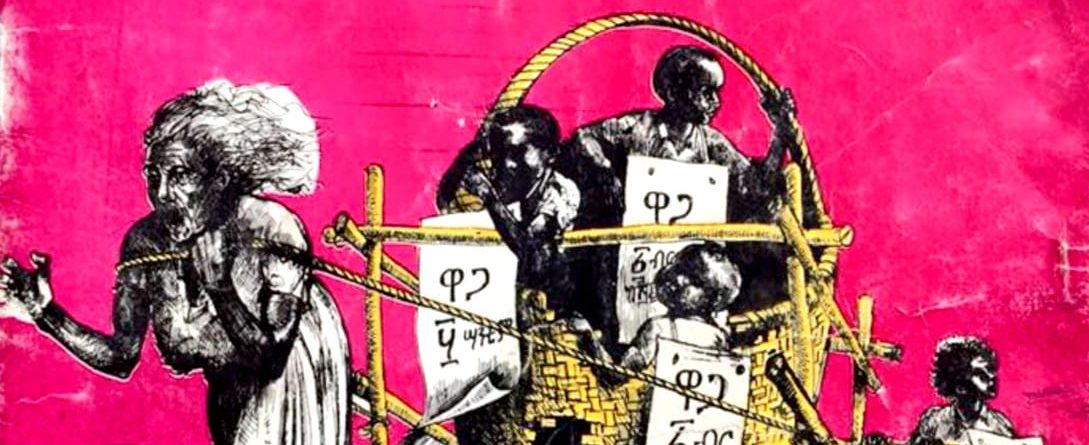
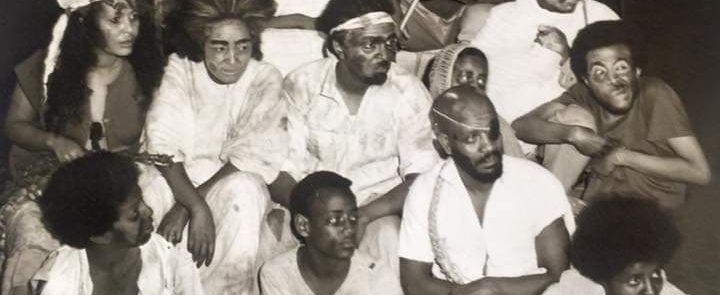
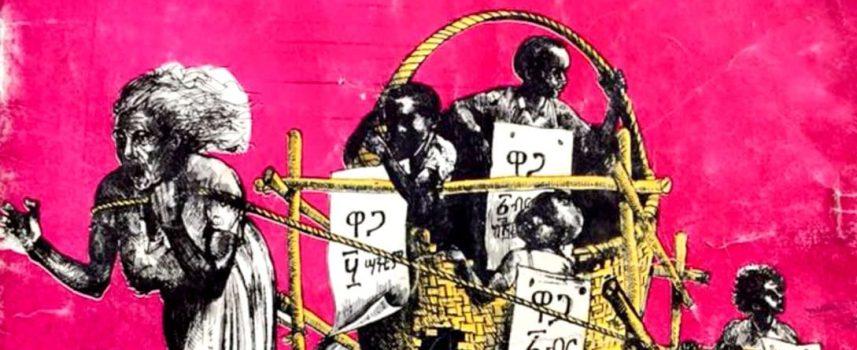
Through a close reading of Tsegaye Gabre-Medhin’s Enat Alemu Tenu—a multi-genre adaptation of Mother Courage and Her Children—Abebe examined how the playwright and artists of the Ethiopian National Theatre reimagined Brecht’s alienation effect to stage affective, critical, and pan-African humanism in view of planetary transformation.
Abebe’s current research focuses on the intersections of performance, history, and cultural politics, with a particular emphasis on how Ethiopian female performers navigate and reinvent spaces shaped by empires, revolutions, and globalization. His work contributes to a deeper understanding of embodied historiographies and contemporary humanism.
The event in Kingston brought together members of the Rosa Dialogues, local community organizers, artists, educators, faculty from the University of the West Indies, and Marvin George, Dean of the Edna Manley College of the Visual and Performing Arts. The discussions sparked dynamic exchanges on the vital role of culture and the arts in social change.
On August 6, 2025—Jamaica’s 63rd Independence Day—Surafel Wondimu Abebe, Assistant Professor of Performance Studies and Theory at The Africa Institute, delivered a compelling talk titled “Decolonizing Humanism: Theatre of a Revolution in Ethiopia” at the Rosa Luxemburg Dialogues in Kingston, Jamaica.
On August 6, 2025—Jamaica’s 63rd Independence Day—Surafel Wondimu Abebe, Assistant Professor of Performance Studies and Theory at The Africa Institute, delivered a compelling talk titled “Decolonizing Humanism: Theatre of a Revolution in Ethiopia” at the Rosa Luxemburg Dialogues in Kingston, Jamaica.
Abebe challenged dominant historical accounts that portray the Ethiopian Student Movement and Military as the central drivers of the 1974 socialist revolution and the making of Ethiopian modernity. He also questioned the homogenization and dismissal of the 1960s generation, emphasizing that such overdetermination erases trans/national popular aspirations.
“Narrow and exceptionalist narratives marginalize grassroots participation and suppress pan-African approaches to humanism and social change,” shared Abebe.
The Rosa Luxemburg Dialogues provide an important platform for scholars, artists, and community leaders to engage in critical discussions on social justice, history, and culture in the Caribbean and beyond. The Kingston event continued this tradition through interdisciplinary and community-based dialogue on revolutionary pasts, their inadequacy, and ongoing relevance.
Abebe’s lecture fostered an open dialogue on the socialist revolution in Ethiopia, exploring pathways to decolonize humanism through cultural and political expression. Considering the notions of culture and the trans/national as sites of contestation, he highlighted the critical role of performance and theatre as a vital space to disarticulate and reinvent political, economic, and social visions. In so doing, Abebe argued, revolutionary performances of the 1970s challenged Ethiopia’s exceptionalism and coloniality in line with pan-African identity, resistance, and solidarity.
Through a close reading of Tsegaye Gabre-Medhin’s Enat Alemu Tenu—a multi-genre adaptation of Mother Courage and Her Children—Abebe examined how the playwright and artists of the Ethiopian National Theatre reimagined Brecht’s alienation effect to stage affective, critical, and pan-African humanism in view of planetary transformation.
Abebe’s current research focuses on the intersections of performance, history, and cultural politics, with a particular emphasis on how Ethiopian female performers navigate and reinvent spaces shaped by empires, revolutions, and globalization. His work contributes to a deeper understanding of embodied historiographies and contemporary humanism.
The event in Kingston brought together members of the Rosa Dialogues, local community organizers, artists, educators, faculty from the University of the West Indies, and Marvin George, Dean of the Edna Manley College of the Visual and Performing Arts. The discussions sparked dynamic exchanges on the vital role of culture and the arts in social change.
Subscribe to our mailing list and get the latest news from The Africa Institute